




Dressed
When crinolines, bustles and ostrich feathers were the height of colonial fashion – from ball gowns and riding habits to tea gowns and dresses worn for presentation to Queen Victoria.
Free museum entry for New Zealanders and people living in New Zealand
Open every day 10am-6pm
(except Christmas Day)
Free museum entry for New Zealanders and people living in New Zealand
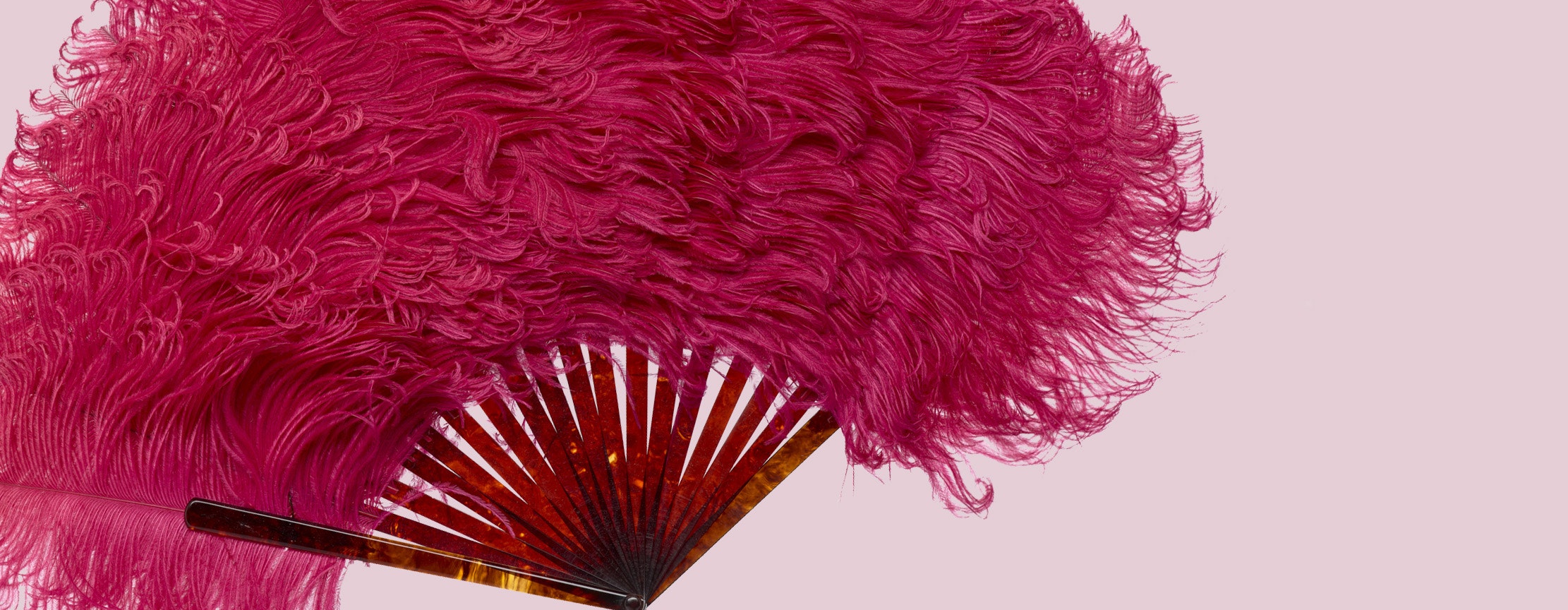
From the 1850s to the 1910s, feathers were the height of fashion – worn by royalty, military men, debutantes and fashionable women alike.
Featuring examples of ‘feather finery’ and bird-beak jewellery where visitors learn how feathers played an integral part in women’s fashion internationally.
5 Jul 2021 – 6 Jun 2022
Level 3
Free
Appropriate for all ages, but most relevant for ages 12+
15 minutes
wheelchair accessible
Feathers sourced from birds across the globe – including Aotearoa New Zealand – formed an integral part of a fashionable woman’s wardrobe throughout the second half of the nineteenth century.
At the height of ‘feathermania’ in the late nineteenth century, an international fashion commentator even went as far as commenting that ‘A well dressed woman nowadays is as fluffy as a downy bird fresh from the nest’.
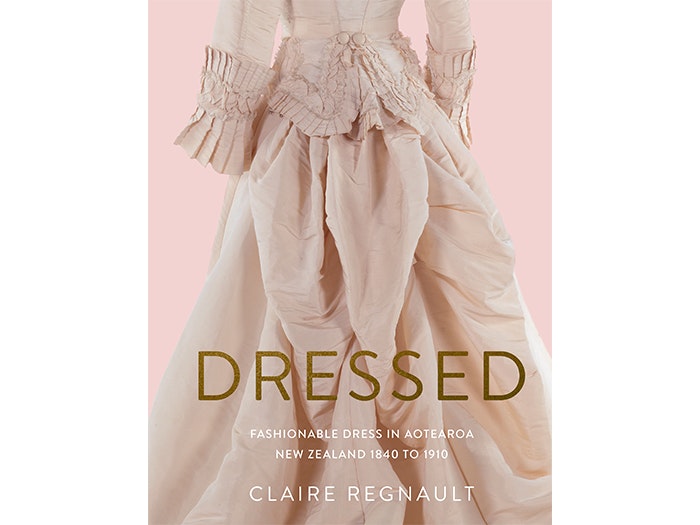
Curated to coincide with Claire Regnault’s forthcoming book Dressed: Fashionable Women’s Dress 1840 to 1910 (Te Papa Press), Feathermania features feather-adorned mantles, fans, muffs, and matching collars and even jewellery from the national collection.
When crinolines, bustles and ostrich feathers were the height of colonial fashion – from ball gowns and riding habits to tea gowns and dresses worn for presentation to Queen Victoria.
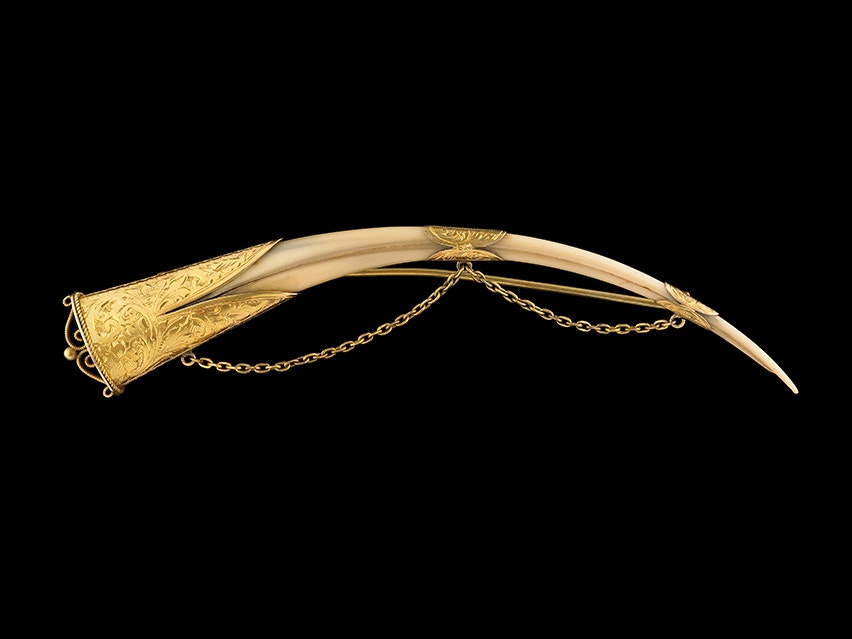
Huia beak brooch, circa 1900, New Zealand, maker unknown. Purchased 1996 with New Zealand Lottery Grants Board funds. CC BY-NC-ND 4.0. Te Papa (GH005020)

Muff, kiwi feather, 1870s, New Zealand, maker unknown. Bequest of Marjorie Hector, 1948. CC BY-NC-ND 4.0. Te Papa (PC000107)

Claire Regnault, the author of Dressed, discusses her new book with Te Papa Press
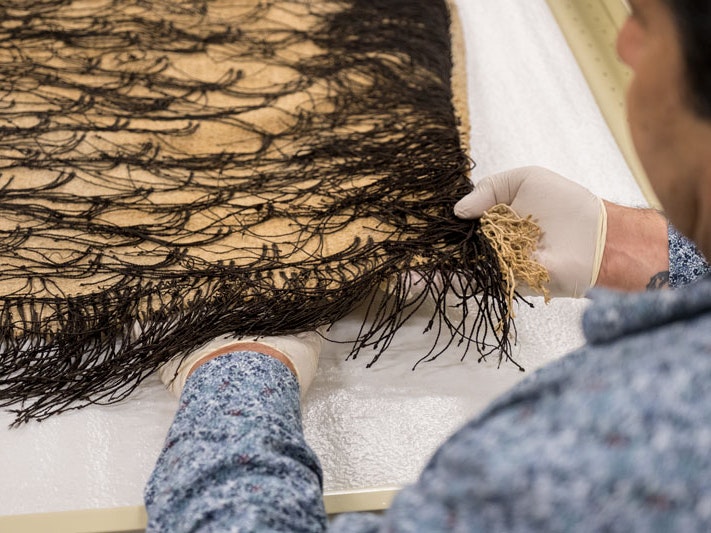
There have been many conversations circulating in the media about Jacinda Ardern wearing a kakahu (cloak) at the recent Commonwealth Heads of Government Meeting. Kaitiaki Māori Collection Manager Mark Sykes explains the differences between kahu huruhuru, kahu kiwi, kahu kuri, and korowai.