Step into the work of renowned Māori photographer Fiona Pardington and you'll discover images that are beautiful, haunting, and deeply contemplative. Her photographs invite us to see familiar objects and themes in new ways – not as disconnected artefacts, but as powerful messengers of whakapapa, history, and symbolism.
Who is Fiona Pardington?
Born in 1961, Fiona Pardington is one of Aotearoa New Zealand's most influential contemporary photographers. For more than thirty years, she has exhibited nationally and internationally to widespread critical acclaim.
Her works are held in all of Aotearoa New Zealand’s major public art collections and in leading international institutions, including the Metropolitan Museum of Art (New York), Musée du Quai Branly (Paris), the National Gallery of Art (Washington, DC), the National Gallery of Canada (Ottawa), Queensland Art Gallery | Gallery of Modern Art, and the National Gallery of Victoria.
Pardington has created powerful images that explore culture and meaning, predominantly through still-life photography and portraiture. Her practice is grounded in whakapapa, memory, and cultural connection while exploring recurring themes of time, loss, power, and our relationship with the natural world.
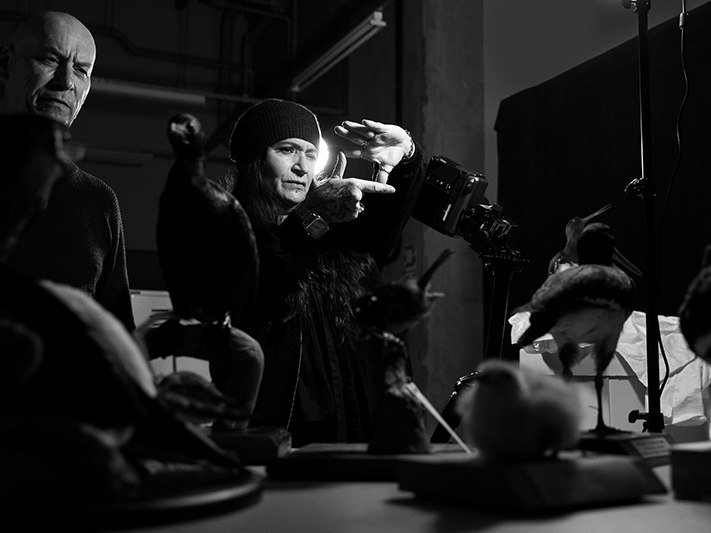
Fiona Pardington. Photo by Meek Zuiderwyk. Courtesy of Creative New Zealand
Drawn to photography
The camera is a living extension of me. I felt drawn to photography because of its ability to bring the past into the future. – Fiona Pardington
Photography offered Pardington a new way to understand and communicate with the world. While studying at Elam School of Fine Arts in Auckland during the early 1980s, she was immediately drawn to photography as a medium.
“I just adored being in this darkroom and seeing this alchemical kind of magic happening”, she recalls. “I just fell in love with its moodiness and its depth.”
Photography also became a way for her to move through the world with greater confidence.
“I'm... quite socially phobic, and I always was”, says Pardington. “Photography was great because it released me... it gave me a way to get out into society with a camera in front of me. In the end, I had the photographs – they were doing it for me.”
A te ao Māori cultural lens
Fiona Pardington is a proud , and her work is deeply connected to her Ngāi Tahu whakapapa, te ao Māori, and her ancestral homelands of Te Waipounamu, Aotearoa New Zealand.
This cultural lens has shaped her artistic practice and driven her exploration of photography. In recent years, this has led her to research and photograph taoka held in museum collections throughout Aotearoa and overseas. Although she has photographed many taoka, she is often drawn to those with tangible links to her own whakapapa, particularly where histories of power, collecting, and representation can be examined and challenged through her work.
She has photographed hei tiki from Te Waipounamu, often selecting those with perceived “imperfections” that have prevented them from being regularly displayed. She has also photographed plaster casts of Māori chiefs, some of whom would have known her own tīpuna. The original purpose of these plaster casts were made to support racist pseudoscientific theories.
Through her photographs, she encourages viewers to reconsider these ‘objects’ and the ways they have been represented, inviting us to reflect on their concealed histories, cultural significance, and enduring meanings to those who whakapapa to the taoka.
Venice Biennale 2026
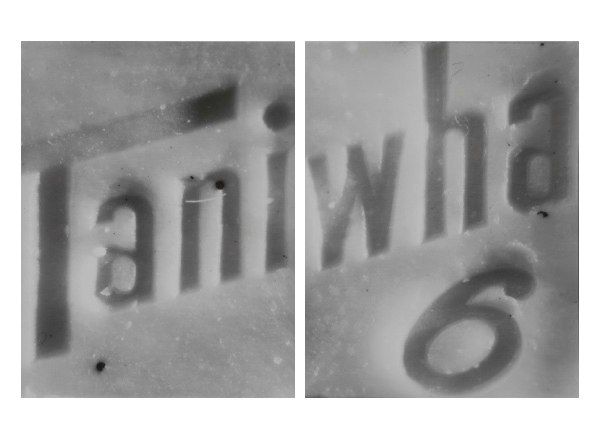
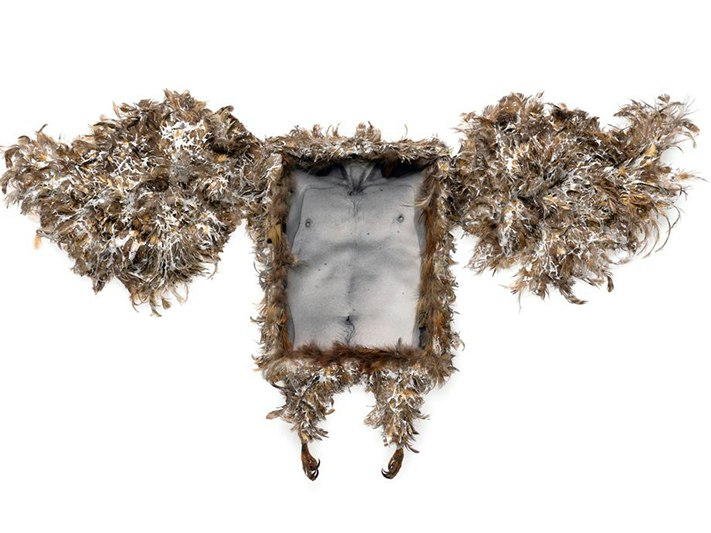
Her current project, Taharaki Skyside, consists of large-scale portraits of taxidermied manu from museum collections across Aotearoa. This work represented Aotearoa New Zealand at the 61st Venice Biennale in 2026, marking a significant moment both in her career and for Māori art on the global stage.
According to Pardington, “[e]ach manu is a testament to the interconnectedness of science, memory and spirit. Bringing their presence to Venice is both a call to action and an honour”.
Hear from Fiona herself speaking about her art, process, and working with museum taoka
NOTE: Some content and language may not be appropriate for younger audiences
Explore further
As you explore the activities and resources in this hub, consider how Fiona Pardington uses photography to reveal hidden histories, challenge the ways people and objects have been represented, and invite us to see familiar subjects through new perspectives. Her work encourages us to think deeply about identity, memory, culture, and our connections to people, places, and the natural world.
Kia kitea akeDiscover more
Find out more about Fiona Pardington’s art practice, influences, and the Taharaki skyside exhibition.
Fiona Pardington's photography is shaped by her Ngāi Tahu whakapapa (ancestry), te ao Māori, and a deep curiosity for the stories that objects, people, and places can hold. Through careful research and technical skill, her work invites us to reconsider history, memory, and our relationships with the natural world.