




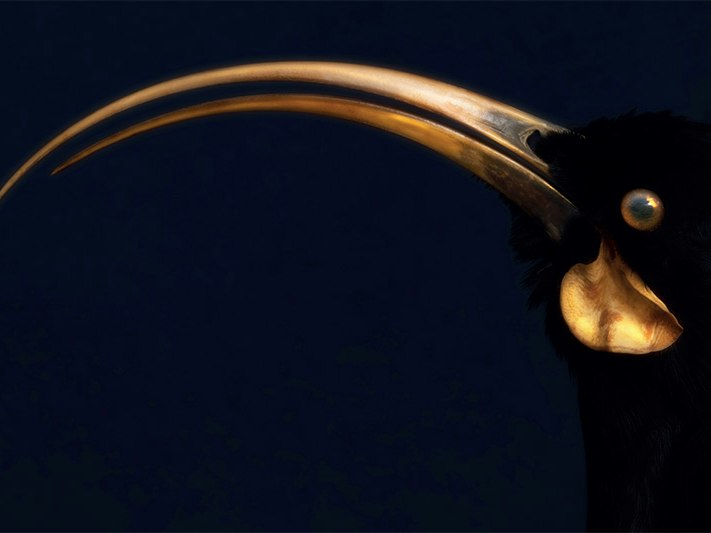
Meet the manu in Taharaki Skyside
Learn more about the native manu behind Fiona Pardington’s Taharaki Skyside. Each is unique, culturally and environmentally important, and many need our protection.
Free museum entry for New Zealanders and people living in New Zealand
Open every day 10am-6pm
(except Christmas Day)
Free museum entry for New Zealanders and people living in New Zealand
PhillipC, CC BY 2.0, via Wikimedia Commons
North Island kākā call (Source: Department of Conservation CC BY 4.0)
South Island kākā call (Source: Department of Conservation CC BY 4.0)
Dense native forests with old trees containing deep hollows to nest inside.
North Island kākā are Threatened – Nationally Increasing
South Island kākā are Nationally Vulnerable
Chatham Islands kākā are Extinct.
Vulnerable to habitat destruction and introduced predators.
The kākā, has red feathers under its wings. Māori associated the colour red with high rank, and only high-status people wore kahu kura. One cloak could require the feathers of 120 birds. See an example of a kahu kura on Te Papa Collections Online.
Kākā often mimic the calls of other birds, but one of its most common calls sounds like a creaky door.
The kākā is known for its loud screech and chatter so in te ao Māori, talkative or loud-mouthed people might be described as he kākā waha nui (big-mouthed kākā) or he pane kākā (kākā heads).
Similarly, the call of the kākā is acknowledged in a traditional tauparapara to open formal speeches:
Ka tangi te tītī
Ka tangi te kākā
Ka tangi hoki ahau
Tihei mauriora!
The muttonbird (sooty shearwater) calls.
The kākā (native forest parrot) calls
Therefore, I too call
Behold, there is life!
Learn more about the native manu behind Fiona Pardington’s Taharaki Skyside. Each is unique, culturally and environmentally important, and many need our protection.
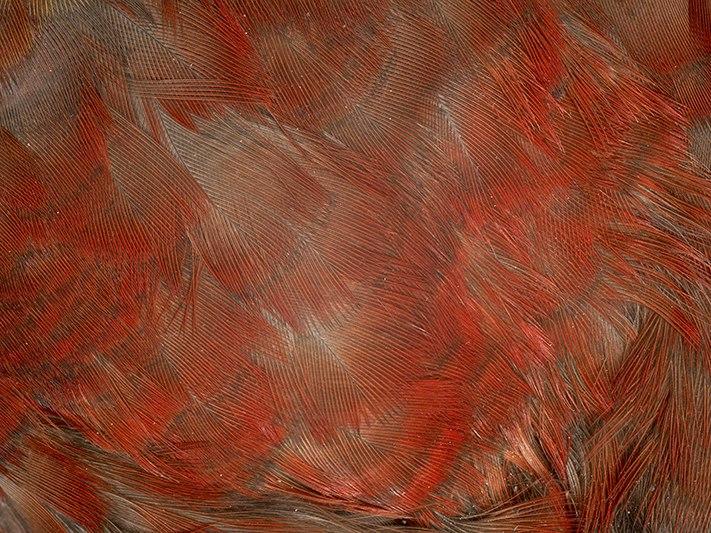
From the birds in the natural history collection, the feathers of the kākā used for weaving cloaks, to army badges, to kākā pōria (bird leg-rings) for hunting, and stamps, explore Collections Online.
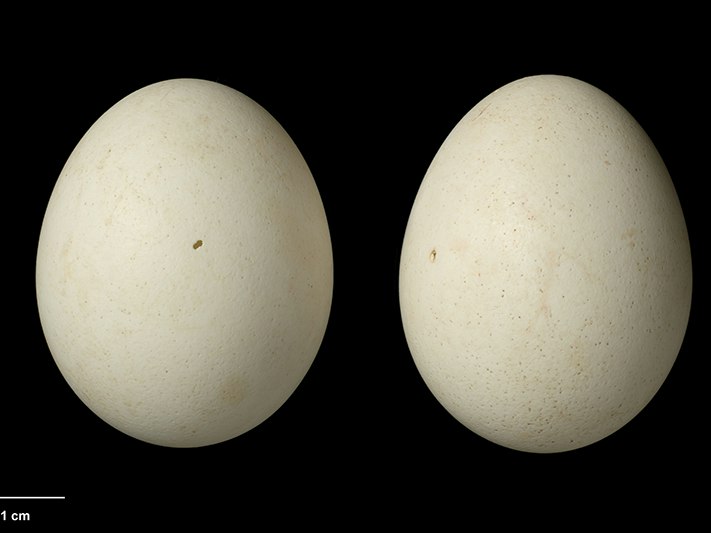
Generally heard before they are seen, kākā are large, forest-dwelling parrots that are found on all three main islands of New Zealand and on several offshore islands. A large olive-brown forest parrot with grey-white crown, bright red-orange underwing they cry a harsh, repeated, rhythmic “ka-aa” when flying above the forest canopy, and a harsh grating “kraak” alarm call when disturbed.
This link will take you to NZ Birds Online website.