Free museum entry for New Zealanders and people living in New Zealand

Botanical art and illustration

The greatest flowers artists have been those who have found beauty in truth; who have understood plants scientifically, but who have seen and described them with the eye and hand of the artist.

– Wilfred Blunt, The Art of Botanical Illustration, 1950

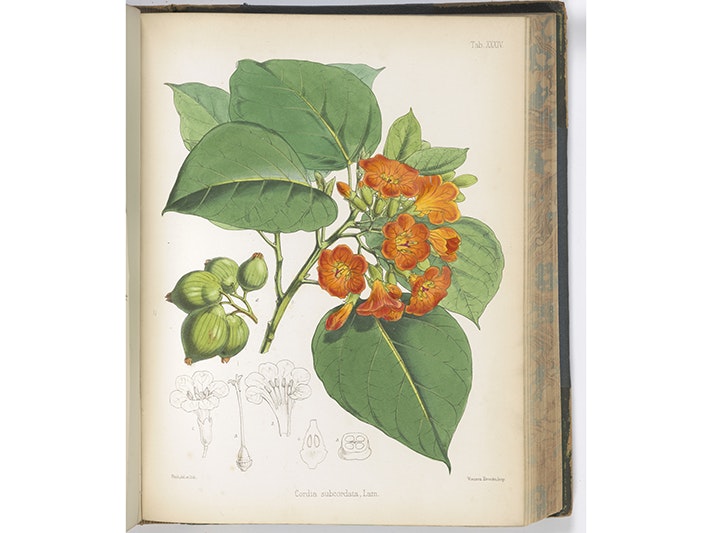
Botanical illustration can serve the needs of botany, documenting and supporting the description of plants and flowers for science records. But it can also serve the needs of art, conveying the beauty of a plant to viewers. It can at once be precise, carefully measured and accurate, and aesthetically pleasing, capturing the fleeting colours of a flower in bloom, or of a herbarium specimen before its colours fade.

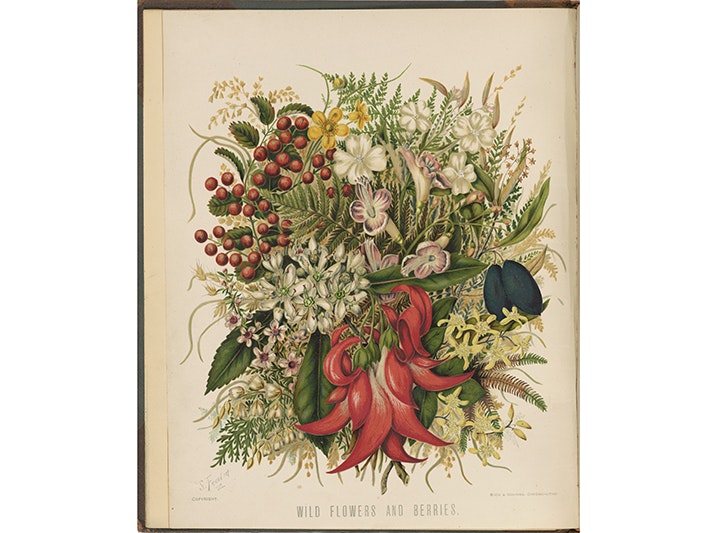
Te Papa, home to both the National Art Collection and the WELT Herbarium, holds a wide range of botanical illustrations, from Joseph Banks’ Florilegium to Sarah Featon’s exquisite 19th-century watercolours of Aotearoa’s indigenous flora.

Meet the illustrators and their collections

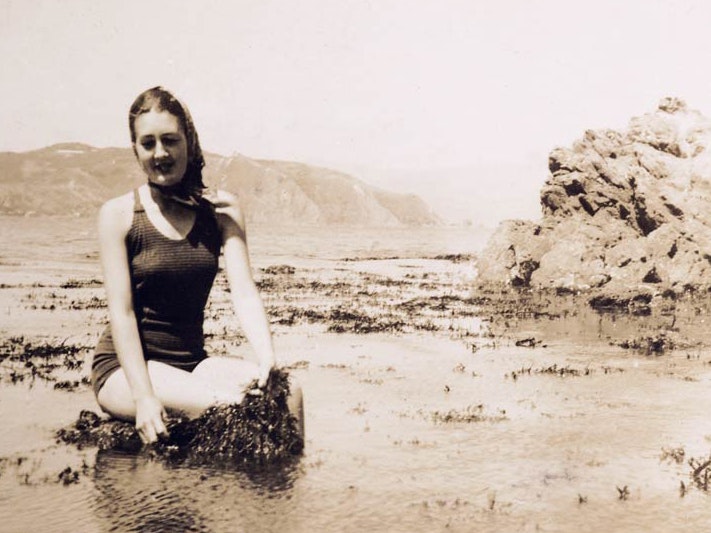
  • A woman sits at a desk and is painting flowers that are in a vase in front of her. She is in a white lab coat.

    Nancy Adams: Botanist and artist

    Nancy Adams (1926–2007) was one of Aotearoa New Zealand’s most notable botanists and a talented artist. One of Te Papa’s most prolific botany collectors of all time, she also painted and drew an incredible number of botanical illustrations. She used her artwork to produce important books about Aotearoa New Zealand’s flora, including seaweeds, flowers, trees, and alpine plants.

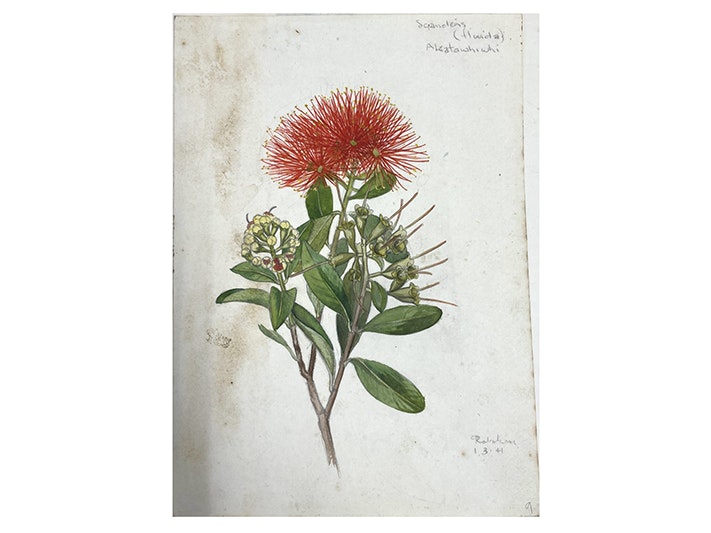
  • A watercolour of a green branch with a red flower made of lots of little stems.

    An eye for detail: The collected archives of Bruce Irwin

    Humanities technician Cassandra Bahr has been working in the Collected Archives at Te Papa, cataloguing and rehousing papers from people connected to Te Papa’s collecting areas. Here, she highlights the archives of scientific illustrator and orchid specialist Bruce Irwin (1921–2012). 

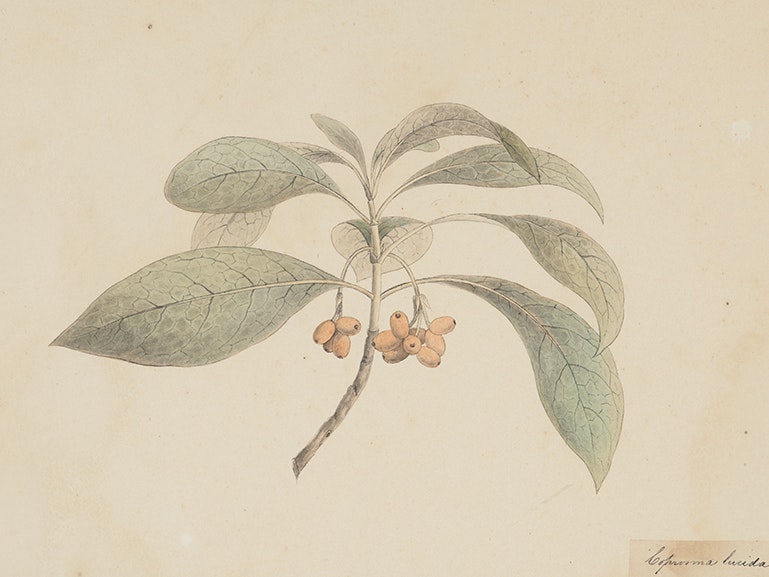
  • A watercolour of a coprosma stem and berries.

    Art in the Service of Science – Dunedin’s John Buchanan

    Ever wondered how different people’s surnames end up as part of the scientific names given to plants and animals?  It is considered very bad form to name a new species that you describe after yourself, but someone else might do it for you as a mark of respect. That is what happened to nineteenth century botanical collector and draughtsman to the Colonial Museum and Geological Survey, John Buchanan FLS (1819-1898).

View rare book plates and illustrations on Collections Online

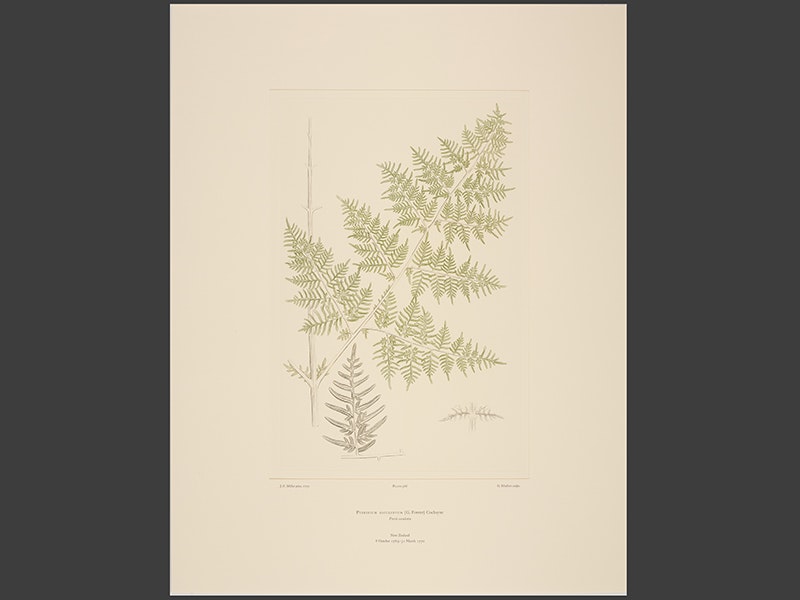
  • Watercolour print of a fern leaf

    Banks’ Florilegium

    Joseph Banks’ collection of coloured botanical engravings was painstakingly printed in a limited edition of 110 sets, titled Banks’ Florilegium.

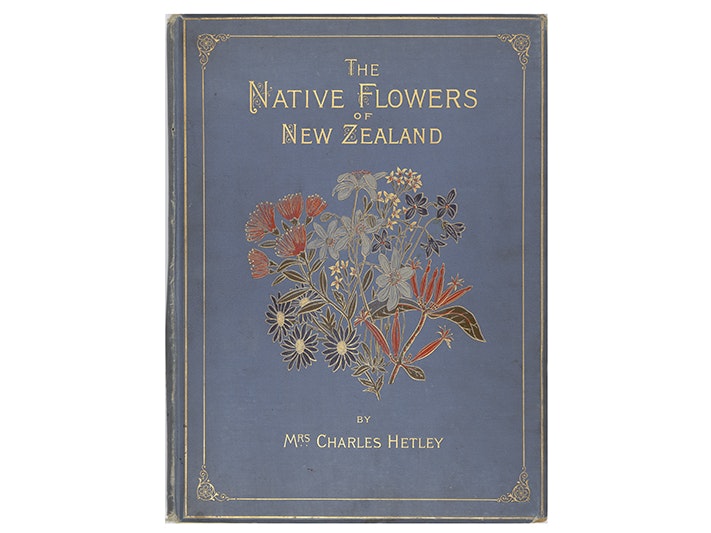
  • A book cover from 1888 with the title in gold print and a botanical illustration in the middle. The rest of the cover is blue.

    The native flowers of New Zealand by Georgina Hetley

    Self-taught botanical artist, Georgina Burne Hetley published The native flowers of New Zealand in 1888 after travelling throughout the country collecting and drawing plants, which she believed were highly endangered and thus needed to be recorded for the future. It describes 45 species of flowers, accompanied by 36 stunning colour plates.

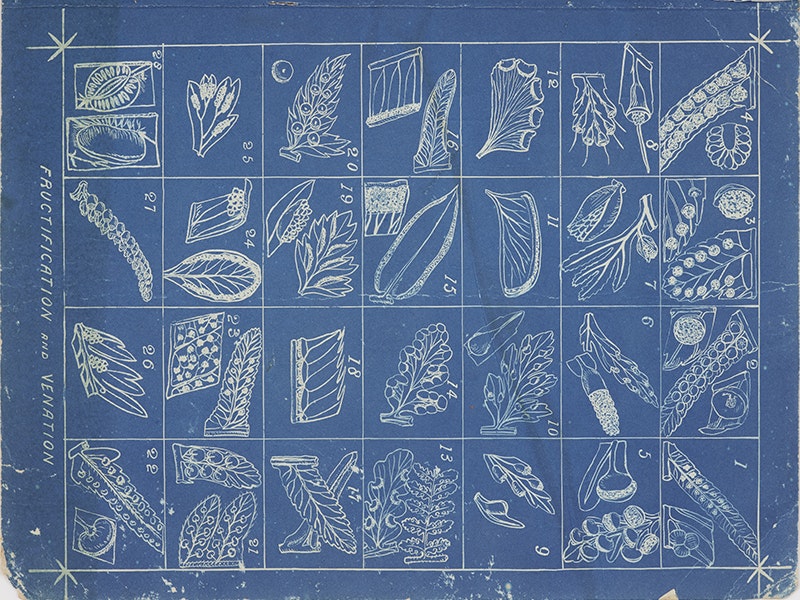
  • A blue page with white illustrations on it separated into sections. Each illustration is a plant.

    Fern “Blue books”

    We have several copies of the so-called “blue books” of New Zealand ferns. These were produced by Herbert Dobbie and Eric Craig in the late nineteenth century and were made by a process akin to blueprinting, described by Dobbie himself as “a simple form of photography or nature printing” employing light-sensitive iron salts, most commonly on paper.

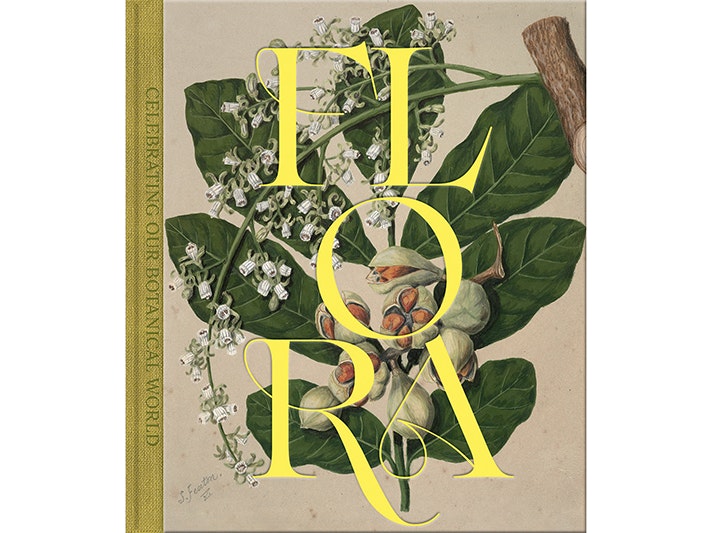
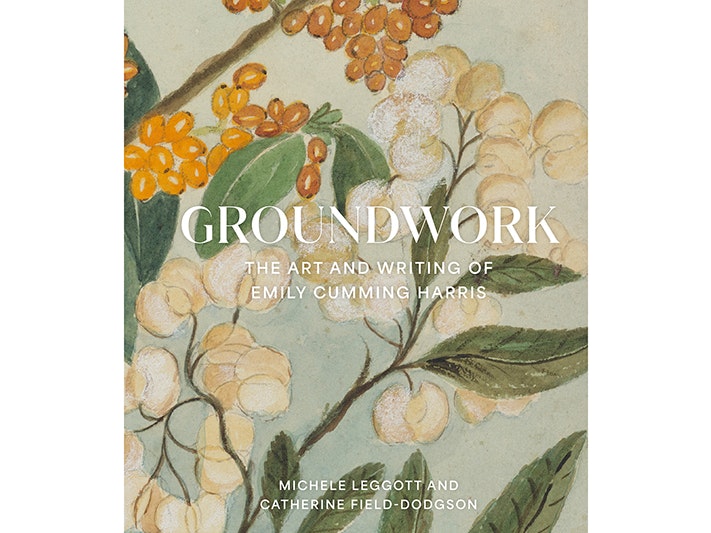
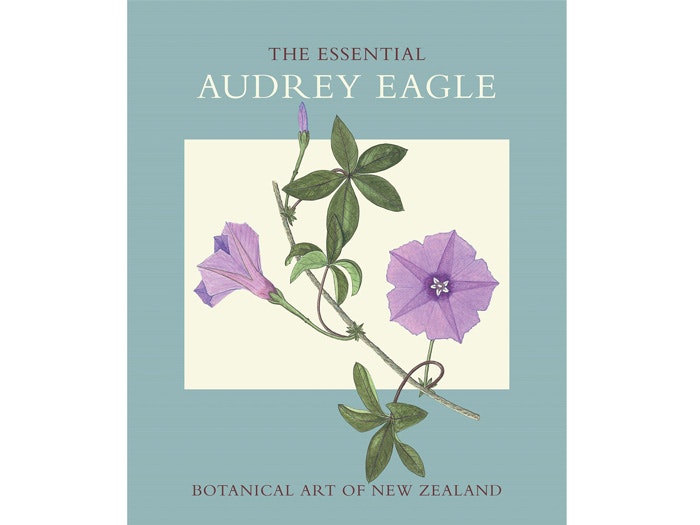
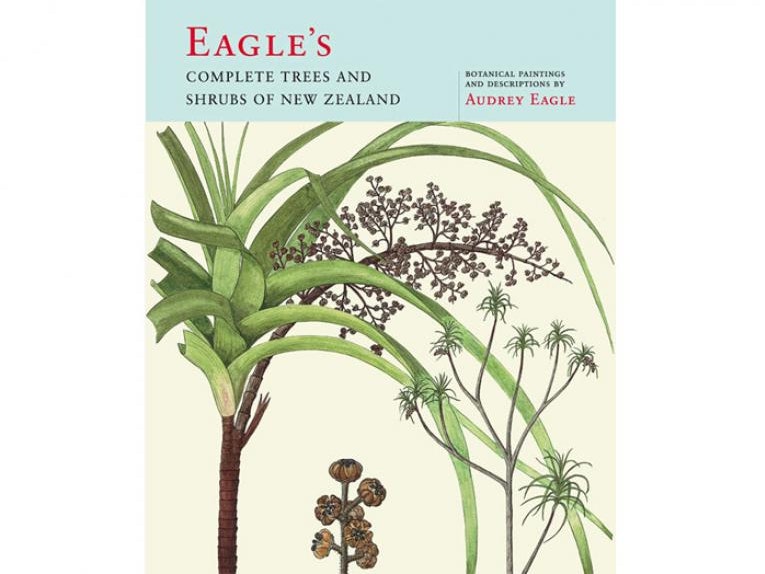
Botanical art books from Te Papa Press

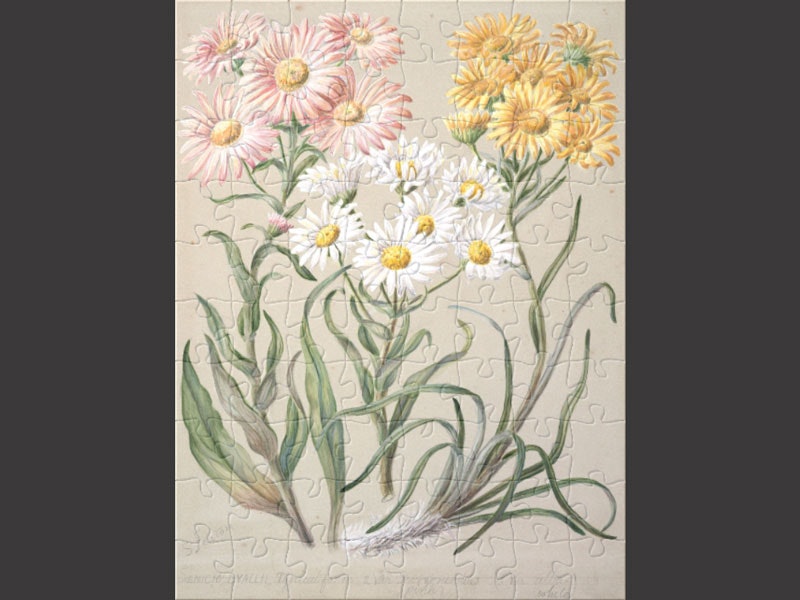
Botanical art jigsaws

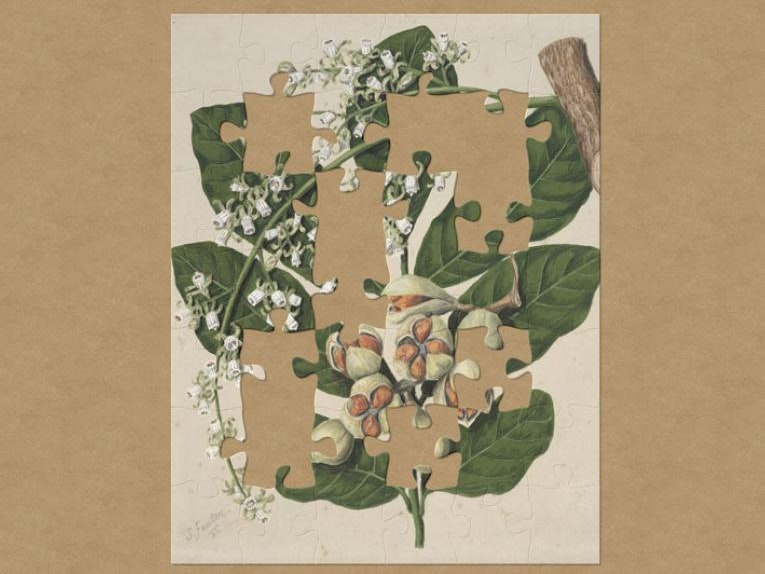
  • Mocked up jigsaw image of a watercolour of a kohekohe plant at various stages of its life: seed, flower, and its leaves

    Jigsaw: Kohekohe

    Sarah Featon Kohekohe, about 1885, watercolour. Te Papa (1992-0035-2277/76)

  • red flowers and green leaves painted on yellow paper

    Jigsaw: Kowhai ngutu kākā

    Kowhai-ngutu-kaka. Clianthus puniceus, circa 1885, New Zealand, by Sarah Featon. Purchased 1919. Te Papa (1992-0035-2277/71)