




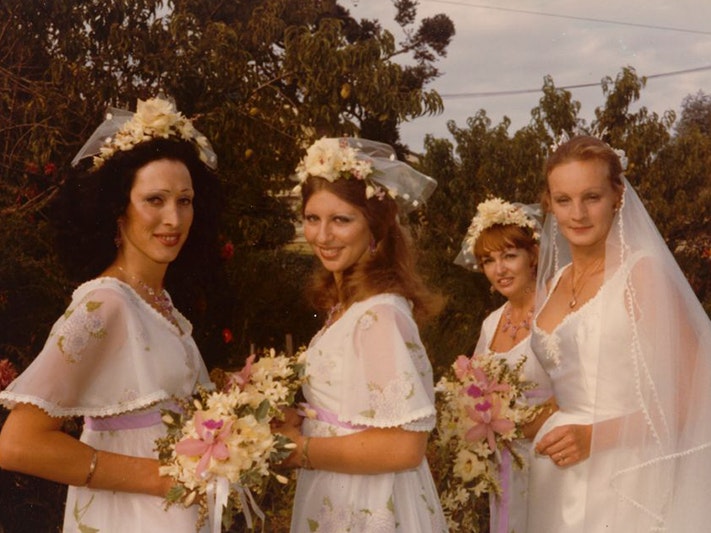
Vanessa Wedding
Browse the collection of photographs from the wedding of trans woman Vanessa Wallis Wedding.
Vanessa made and designed her own clothing, including her wedding dress.
Free museum entry for New Zealanders and people living in New Zealand
Open every day 10am-6pm
(except Christmas Day)
Free museum entry for New Zealanders and people living in New Zealand
Clothes are a form of self-expression.
Browse the collection of photographs from the wedding of trans woman Vanessa Wallis Wedding.
Vanessa made and designed her own clothing, including her wedding dress.
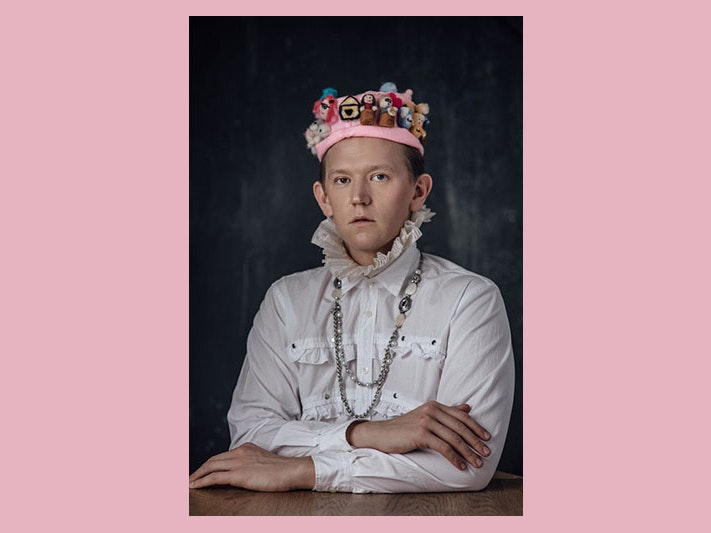
This digital portrait of Chris Parker shows the popular New Zealand comedian wearing the results of his creative response to the Covid-19 pandemic lockdown.
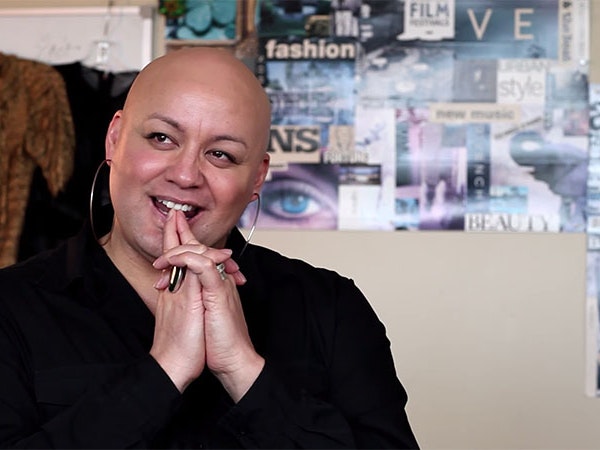
Lindah Lepou talks about being a fa’faafine designer, her spirituality, and the evolution of Pacific and Māori couture.
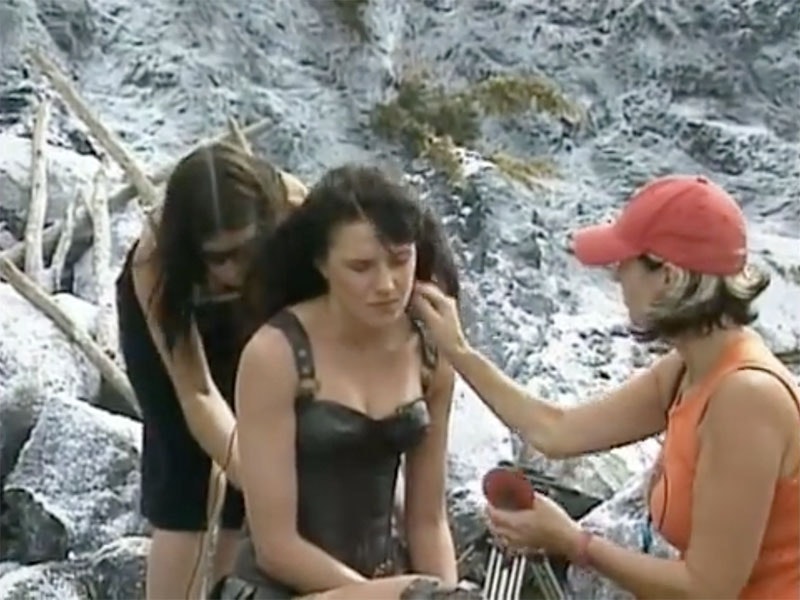
Xena: Warrior Princess was an all-action TV series with extreme costumes. In this episode of Tales From Te Papa, host Riria discovers what caught the imagination of Xenites.
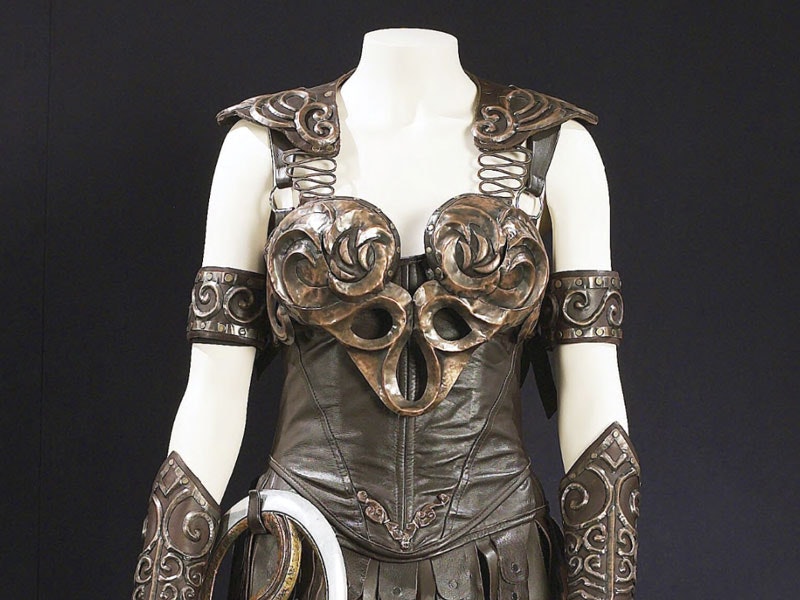
Ngila Dickson one of the makers of Xena's costume, and History Curator Claire Regnault, discuss the creation of Xena, how she changed New Zealand's film industry, and how she became an international feminist icon.
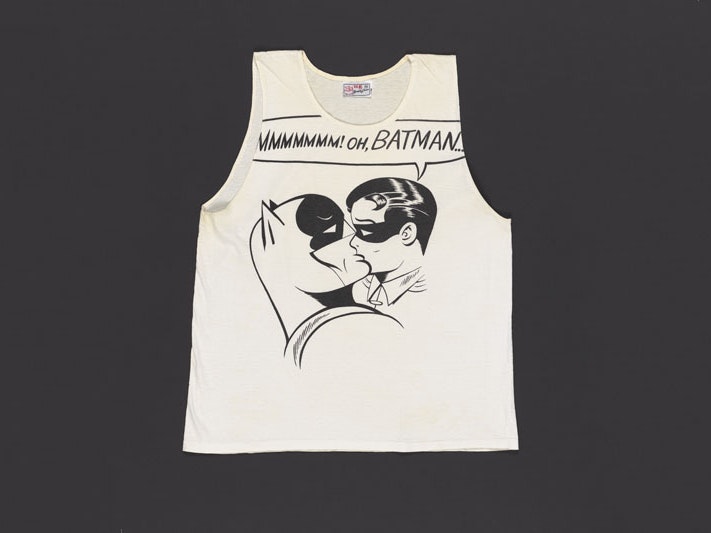
‘We all wear masks.’ Poet Chris Tse looks into the hidden (and not-so-hidden) subtexts of comic books, and shares the role superheroes – particularly Catwoman in Batman Returns – played in his own journey.
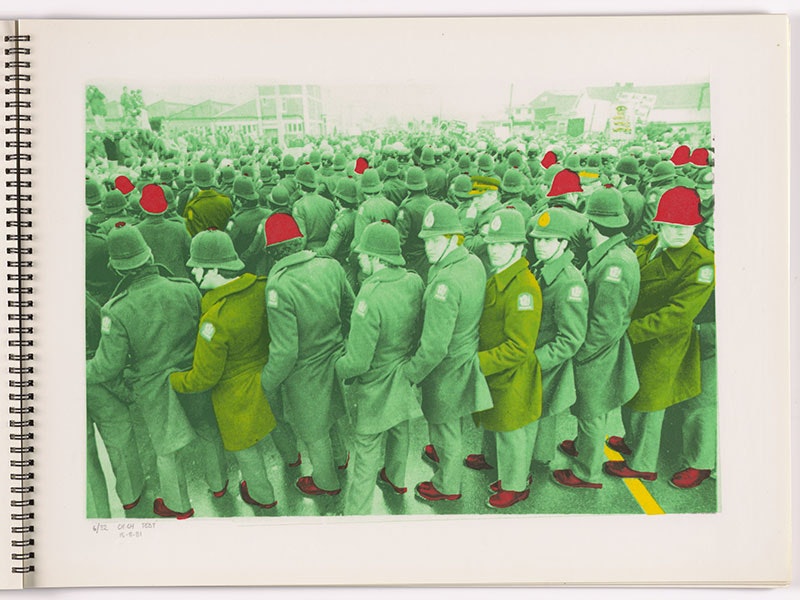
In 1998 Neil Anderson and Michael Eyes gifted a collection of over 20 queer-themed T-shirts to Te Papa from the 1980s and 1990s. Neil Anderson recalls his time as a queer activist before the Human Rights Act of 1993, which made it illegal to discriminate against people on the basis of their sexual orientation.