




100 year moths
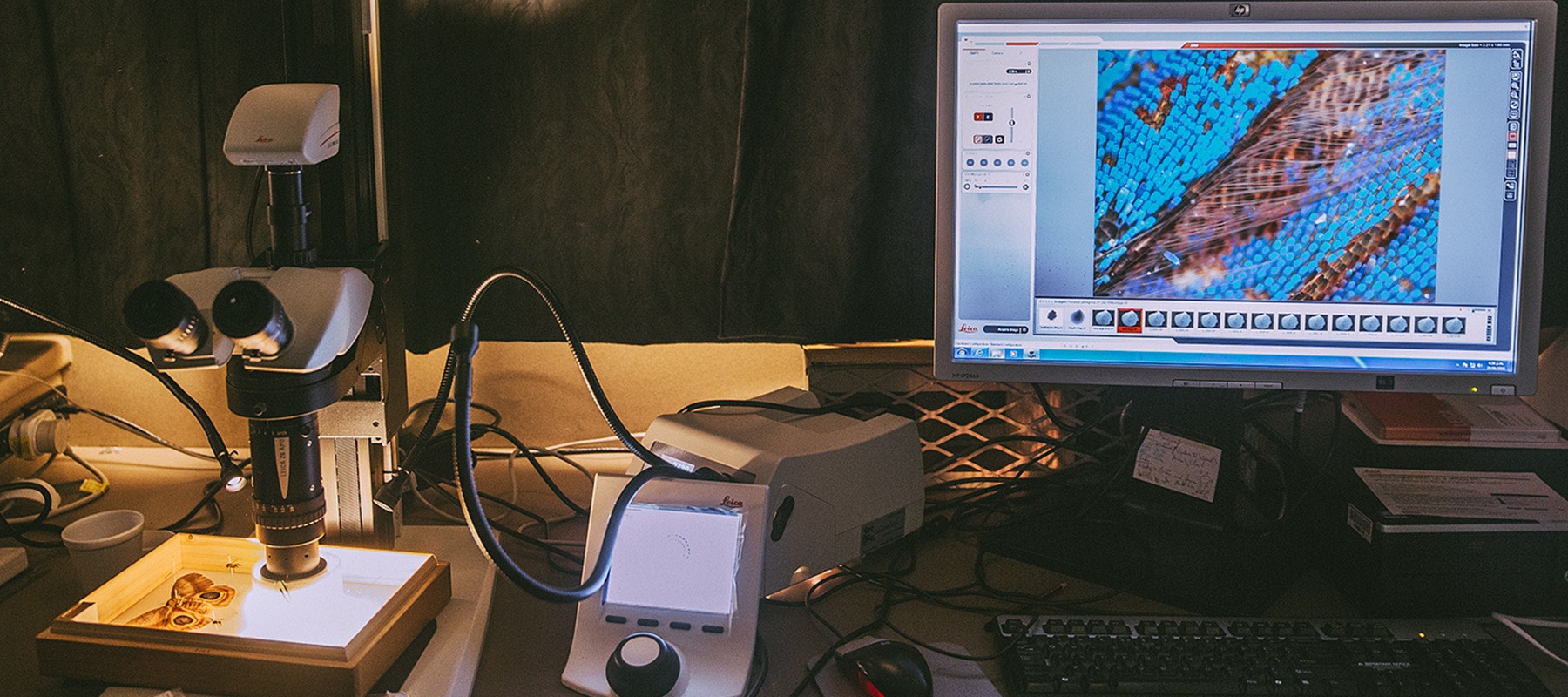
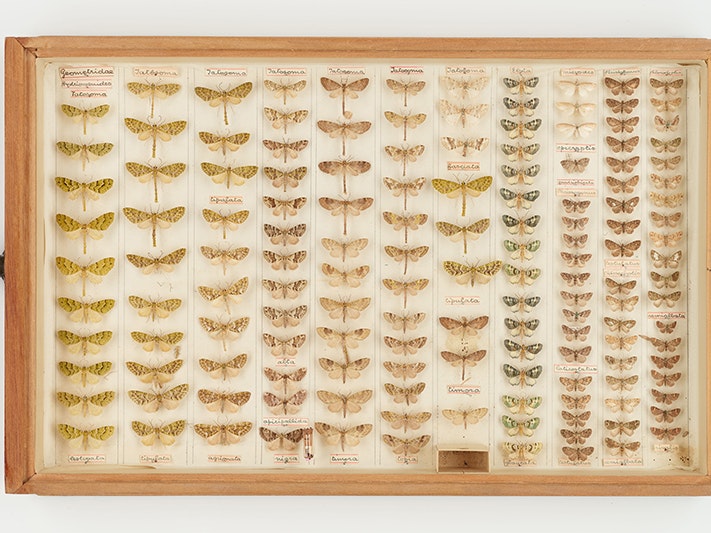
G.V. Hudson was a pioneer of New Zealand entomology and extensively collected moths from around Karori and Wilton, Wellington. Almost 100 years later, we are researching the effect of land use and climate change on moth diversity.
Free museum entry for New Zealanders and people living in New Zealand
Open every day 10am-6pm
(except Christmas Day)
Free museum entry for New Zealanders and people living in New Zealand
Find out about the research lines and main projects our team is currently working on.
G.V. Hudson was a pioneer of New Zealand entomology and extensively collected moths from around Karori and Wilton, Wellington. Almost 100 years later, we are researching the effect of land use and climate change on moth diversity.
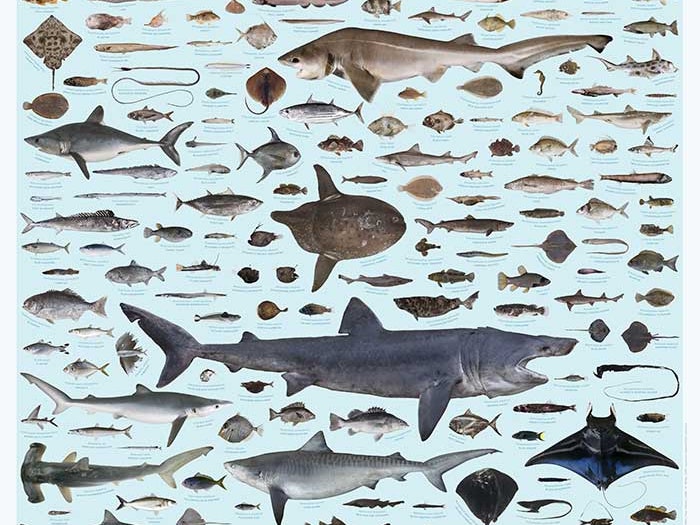
The main aim of our project is to carry out biosystematic investigations on New Zealand EEZ/ECS fishes in order to facilitate their accurate identification.

Documenting the pollination biology of threatened plants and trees, identifying orchid mycorrhizal partners and implementing methods to propagate orchids from seed for conservation purposes.

Research understanding the fish and mollusca diversity within our waters, focusing on new species discovery and species associations.

Completing a taxonomic revision of all southern hemisphere forget-me-not species, including about 45 described species and c. 20 informal tag-named species.

Using data from herbarium specimens, field collections and DNA analyses to investigate the taxonomic status of orchids in five genera.
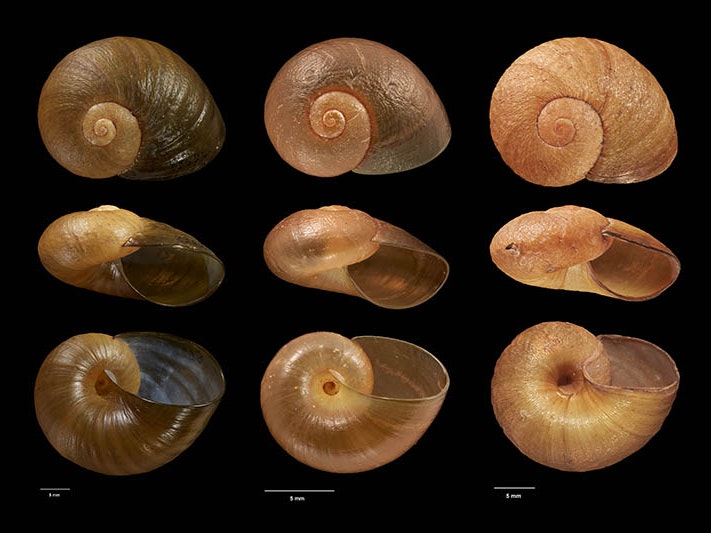
Te Papa researchers are presently contributing to palaeogenetic research into the diversity of endangered species of the large land-snail genera Maoristylus, Paryphanta, and Powelliphanta.
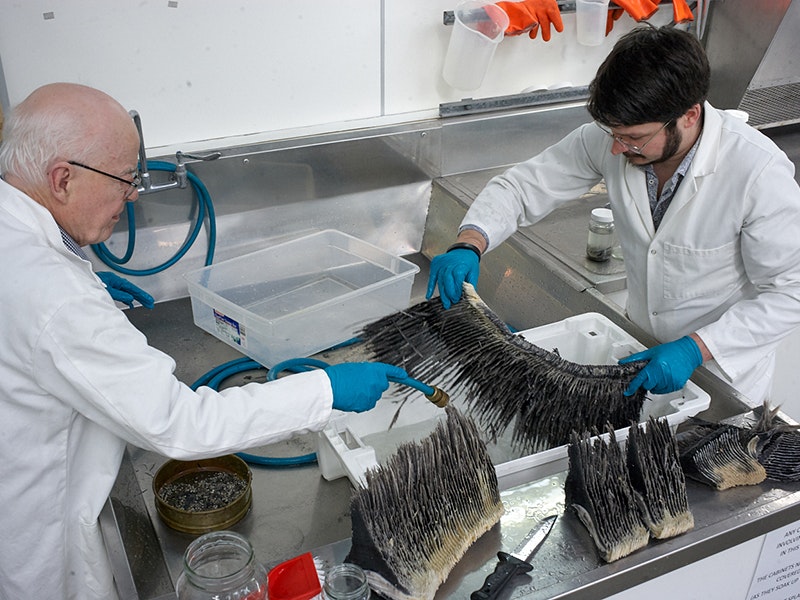
An in-depth understanding of our molluscs enables researchers to understand how organisms disperse, how to improve marine protection outcomes, and predict how ecosystems might respond to environmental change.

Studying fossils and living marine mammals to elucidate their diversity and evolution through deep time.

Research examining fossils, using anatomical observations and DNA, to investigate the evolution of Aotearoa New Zealand’s unique vertebrate fauna.

Studying the diversity, function and evolution of marine mammal behaviour, from feeding to swimming and communication.
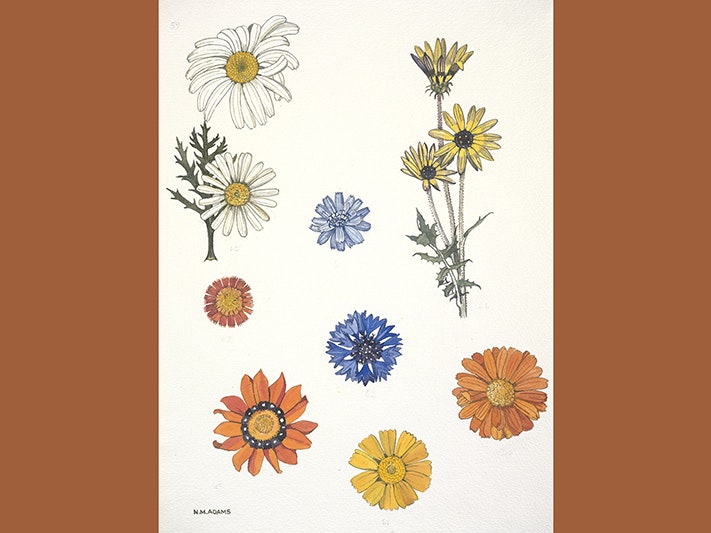
Cross-disciplinary research seeks to better understand and document the relationships between Nancy Adams’ drawings, paintings, specimens, and publications, along with her work across the museum.
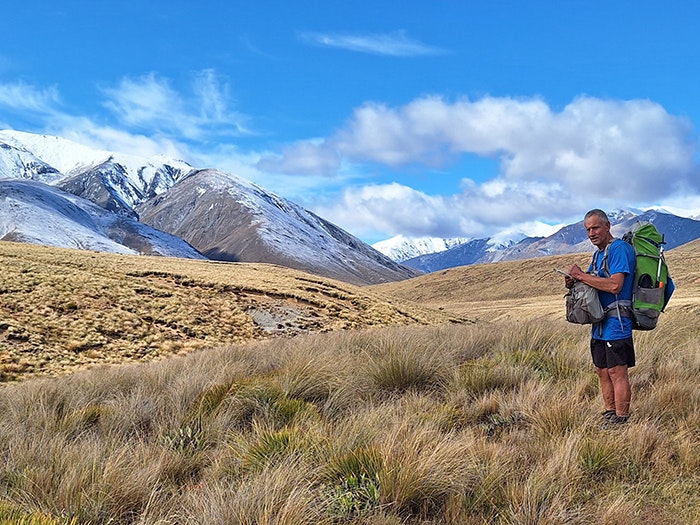
This research outputs two blog series: Birds of the Great Walks and Birds of the Te Araroa Trail, and a paper on Birds of the Te Araroa Trail. This project also includes editing and administering the New Zealand Birds Online website.

Improving the understanding of the floras adjacent to New Zealand in the south-west Pacific region, involving the delimitation, naming, distributions, and relationships of species.

Concentrating on two arachnid orders and documenting new species, to better understand known species, and to explore the evolutionary history of these fascinating animals.
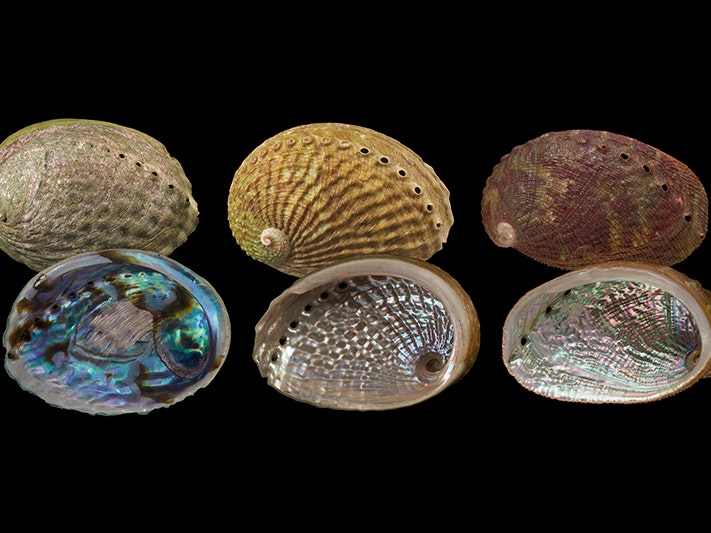
Applying ancient DNA techniques to global historical abalone samples from Te Papa's collections, we are reconstructing the global abalone family tree.
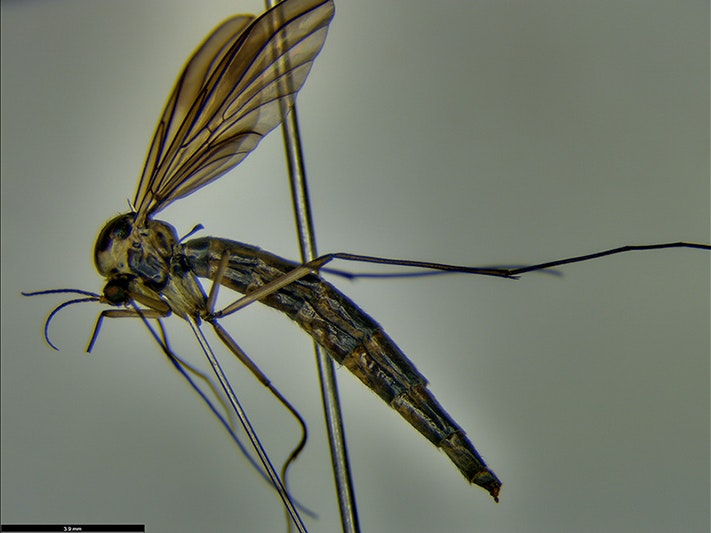
This research examines three Diptera families undertaking genetic analyses, revising their descriptions and documenting their distribution.
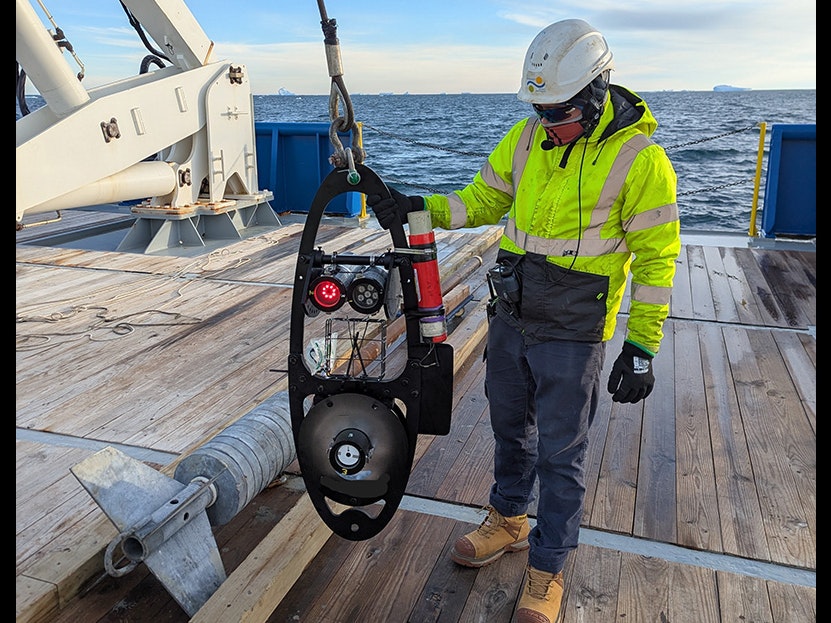
The aim of this work is to determine the origins of orphaned collection items through DNA testing – taking a step towards reconnecting these taonga (treasures) to people and place.
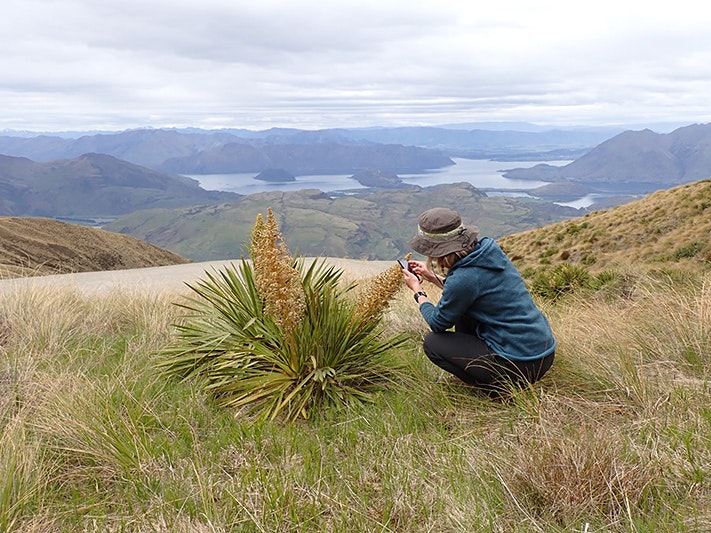
This research revises taramea, speargrasses, Aciphylla – a genus with around 40 species and 10 informal tag names.

Using field surveys and literature reviews, we are researching the distributions and conservation status of New Zealand’s seabirds.
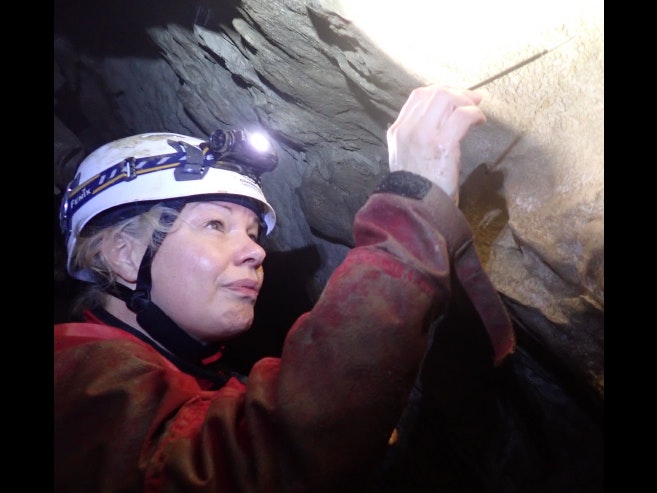
This research investigates troglobitic species communities in cave systems to understand the diverse invertebrate aquatic and terrestrial fauna.
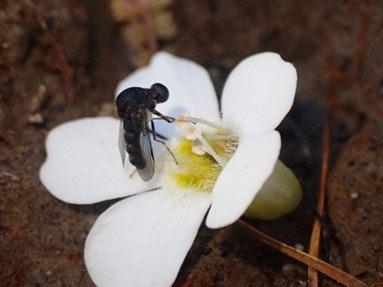
This research examines three Diptera families undertaking genetic analyses, revising their descriptions and documenting their distribution.
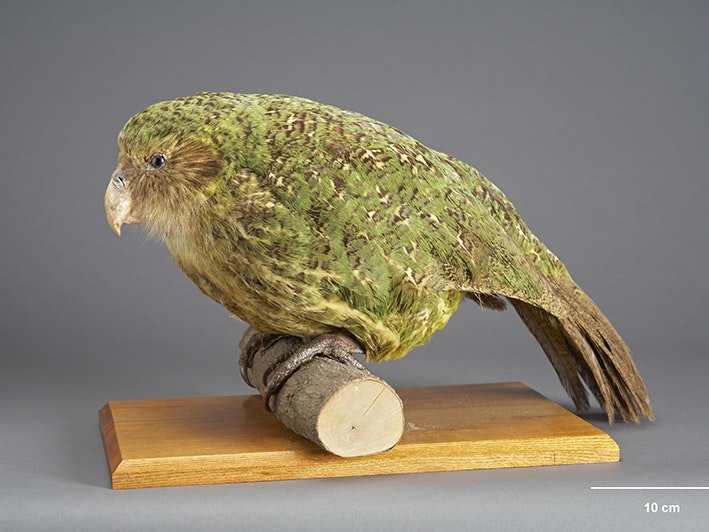
The aim of this work is to determine the origins of orphaned collection items through DNA testing – taking a step towards reconnecting these taonga (treasures) to people and place.
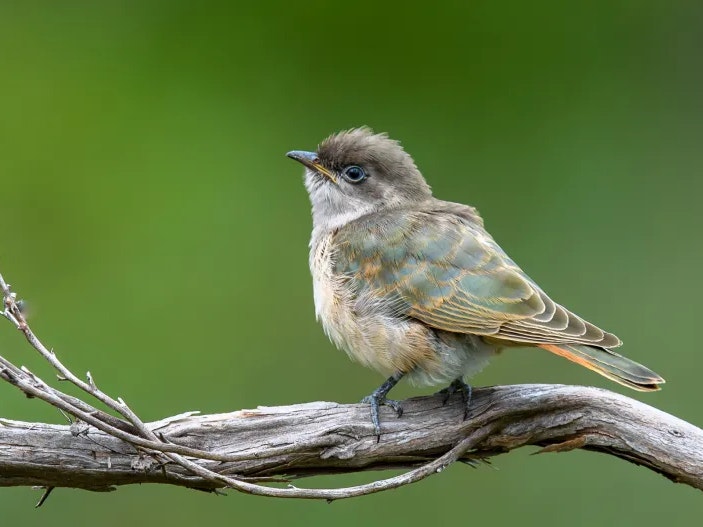
The researchers involved in this project are members of the Birds New Zealand Records Appraisal Committee and the BNZ Checklist Committee – in that role, they assess more than 120 ‘Unusual Bird Reports’ each year.

Integrating novel and published data on chromosome number, genome size, phylogenetics, environmental factors, and common garden experiments for several study genera.
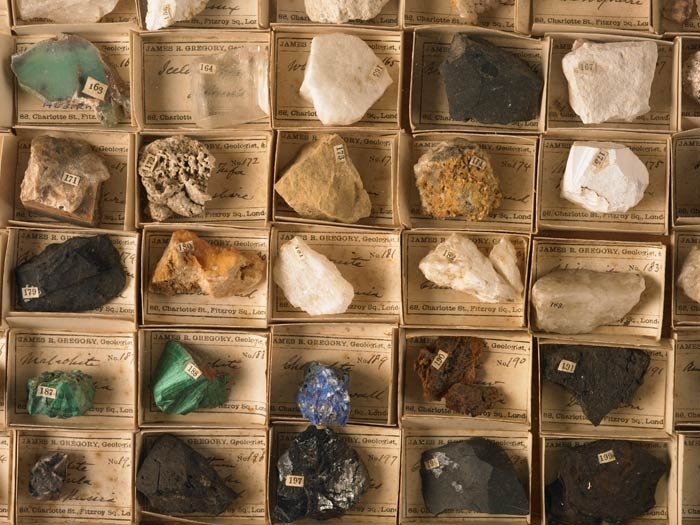
Find out about the people that make up our Natural History team and their roles at Te Papa.
Discover stories from Te Papa’s Natural History experts, including curators, scientists, collection managers, and technicians.