




The Urban Activity Book: 99 Ideas for Nature Activities in Urban Spaces around Aotearoa New Zealand
An engaging activity book for young New Zealanders and their families.
Free museum entry for New Zealanders and people living in New Zealand
Open every day 10am-6pm
(except Christmas Day)
Free museum entry for New Zealanders and people living in New Zealand
Rachel Haydon discusses The Urban Activity Book with Te Papa Press.
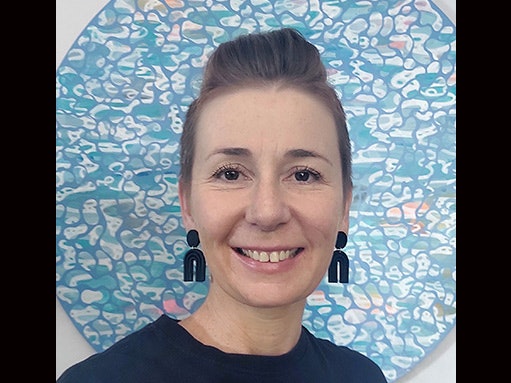
Rachel Haydon is a qualified primary school teacher and scientist with a zoology Bachelor’s degree and a Master’s in marine science. She has more than twenty years’ experience of teaching science to children of all ages in schools, museums, zoos and aquariums around the world. She was the General Manager of the National Aquarium of New Zealand and is now CEO of Orana Wildlife Park, Christchurch. Rachel is the author of The Nature Activity Book and The Beach Activity Book (Te Papa Press) and Kaewa the Kororā (Massey University Press). She is dedicated to motivating children of all ages to get outside and explore, connect with nature and have the best chance to protect the natural world and all that lives within it.
The first two books offered exciting opportunities out and about in natural environments, but I really wanted to support people to have fun and engage with nature right on their back doorsteps. We can forget how much nature exists in the villages, towns and cities we live in, and I hope this book can inspire people to get out there and find it!
To be honest, I’d written most of The Urban Activity Book before we moved, but our new home offered a chance for us to try the activities out in a completely new environment. It was awesome to explore our new city, which still definitely offered up some new activity ideas, with an ‘urban adventurer’ mindset! The artwork around Ōtautahi Christchurch was particularly inspiring and the way the city has been built back after the earthquakes is just incredible – especially the way that nature and natural designs have been incorporated into the spaces and new builds.
She is incredible! Her beautiful artwork spoke to me when I was starting out with The Nature Activity Book and I still have that connection to her illustrations today! The creative process is just so streamlined with Pippa. I make notes about what I’m thinking around the illustrations and she just immediately ‘gets it’ and creates something beyond what I ask for.
Nature connection is the feeling of being part of the natural world and having a meaningful relationship with it. It is more than just spending time outside. It comes from noticing nature, feeling something in response to it, appreciating its beauty, finding meaning in it, and caring for it. When people feel connected to nature, they tend to experience greater wellbeing and are more likely to take actions that support and protect the environment.
There are five pathways that help us build nature connection. It’s about how we engage with nature when we’re there. Research shows that experiences that involve our senses, emotions, appreciation, reflection, and care are the ones that help us feel more connected to the natural world and support our wellbeing. The activities in my book are all designed to tap into one or more of these pathways, so you can have lots of fun by yourself, or with your friends and family, and experience all the wonderful benefits.
We build connection when we stop to notice nature through our senses, whether that’s hearing birdsong, feeling sunshine on our skin, or watching leaves move in the wind. We deepen that connection when nature makes us feel something, like wonder, joy, calm, or curiosity, and when we take time to appreciate its beauty.
Nature can also help us reflect on our own lives, giving meaning to experiences through the seasons, growth, and change we see around us. And when we feel connected, we’re more likely to care for nature and make choices that help protect it.
The activities encourage readers to discover with others by creating opportunities to have fun and spend quality time together. Whether it’s exploring a local park, asking each other questions, completing a challenge, or simply noticing nature along the way, these shared experiences help people to slow down, enjoy the moment, and create memories with family and friends.
An amazing experience – the best kind of creativity is when you’re bouncing ideas around with others. And my daughter would definitely tell me if something wasn’t fun! Some of her friends helped out by being models for the activities in the photos, and going by the amount of fun they had (making it hard to get them to focus on being models) I was assured we’d developed some winners!
It was important to include variety so there is a little something for everyone. I deliberately included a broad mix of activities because some people learn through play, others through creativity or practical action. The variety helps ensure everyone can find an activity that sparks their curiosity and encourages them to develop a deeper appreciation for the natural world and their role as kaitiaki.
It’s a very, very simple one, but it had us cracking up with laughter on a regular basis when we were out on family walks. ‘Finding faces in fences’ is an activity where you literally try and find faces in fences – particularly wooden fences where knots in the wood, nails, cracks and lichens form shapes that look like eyes, mouths and noses.
The scale of some of the trees around us constantly surprises me – honestly, just spend a minute looking at trees! They can just blend into the background but will surprise you when you give them some attention. And also the number of tuna/eels in the Avon River! We love having the chance to see them so close in the central city.
I hope they have a lot of fun, some unexpected adventures, and a chance to exercise some curiosity. The urban world around us is literally full of natural wonders and I’d love it if the book helps readers discover some in their own backyards.
An engaging activity book for young New Zealanders and their families.
Books for inspiring wonder and curiosity in our tamariki (children).