E.H. Gibson, taxidermist, and the assembly of Phar Lap’s skeleton
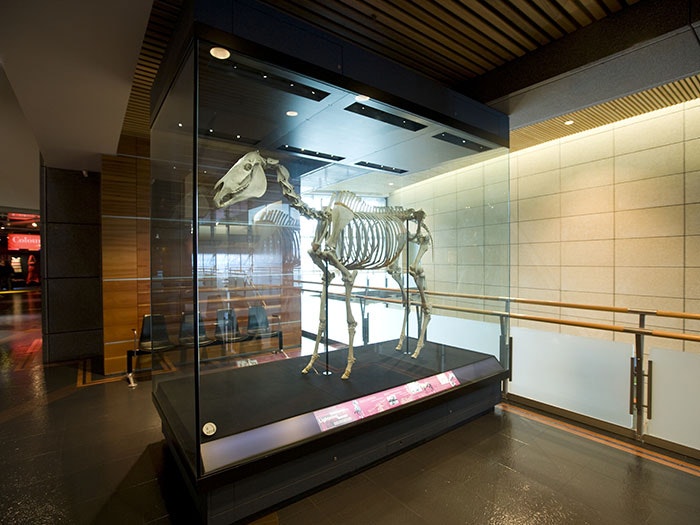
In October 1938, Edwin Herbert Gibson, taxidermist at the Otago Museum, travelled from Dunedin to Wellington to oversee the preparation of the skeleton of the famous racehorse Phar Lap for exhibition at the Dominion Museum. Gibson spent three weeks working in Wellington with the assistance of Charles Lindsay, the then-Dominion Museum taxidermist. Phar Lap’s skeleton went on display soon after.
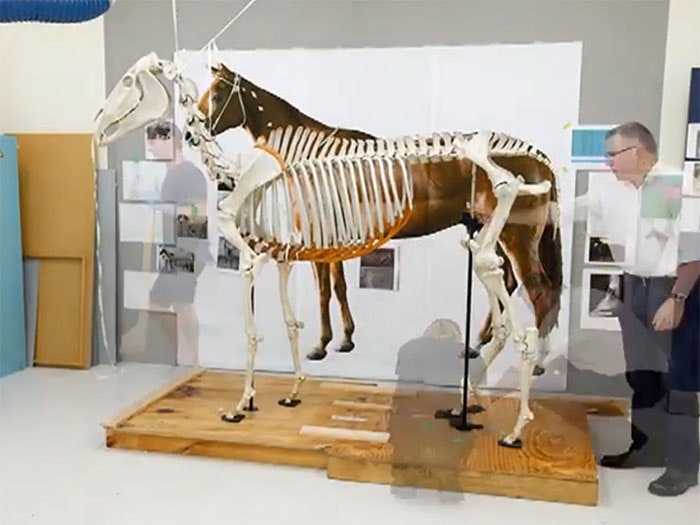
It remained a popular exhibit for more than 70 years in that form, but was rearticulated in 2011 to correct errors of stance and anatomy, and to redress the impact of metal fatigue.
This paper looks at Gibson’s career, and how it prepared him for the invitation to participate in this significant enterprise.
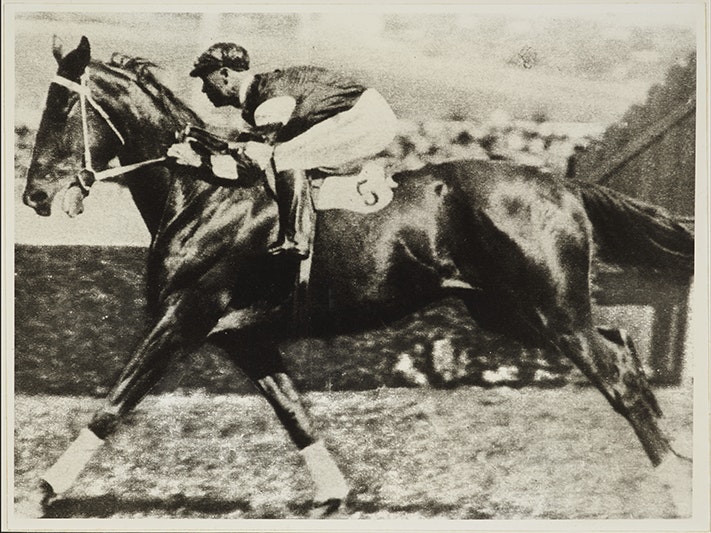
Born in Tīmaru in 1926, Phar Lap was a legendary racehorse and an adored animal hero for a generation of people in Aotearoa New Zealand and Australia. You can pay your respects to his bones on permanent display at Te Papa.
A time-lapse video showing the reconstruction of racehorse Phar Lap’s skeleton. A life-sized photograph of the hide from Melbourne Museum was used as a guide.