




Tāmoko | Māori tattoos: history, practice, and meanings
Discover the history and practice of tāmoko, and find out why the lines of a moko carved in skin represent much more than a tattoo.
Free museum entry for New Zealanders and people living in New Zealand
Open every day 10am-6pm
(except Christmas Day)
Free museum entry for New Zealanders and people living in New Zealand
The Māori origins of tā moko are found in the kōrero tuku iho of Niwareka and Mataora. After striking Niwareka, Mataora followed her to the underworld, where her father Uetonga – a master of tattooing – had his face marked. When Mataora and Niwareka returned to the surface world, he brought the art of tā moko with him. Mataora means ‘living face’.
Across the Pacific, tattooing used uhi dipped in pigment and tapped into the skin with tā. The comb teeth pierced the skin to deposit pigment, and Māori brought this method from Eastern Polynesia.
In Aotearoa, tā moko developed in isolation. Māori adapted the technique, using narrower uhi to cut grooves into the skin before applying pigment. When applied to the face, this became a form of scarification – similar to wood carving – creating deep, grooved patterns stained with pigment.
Find out more about tā moko in the Te Papa collections.
Discover the history and practice of tāmoko, and find out why the lines of a moko carved in skin represent much more than a tattoo.
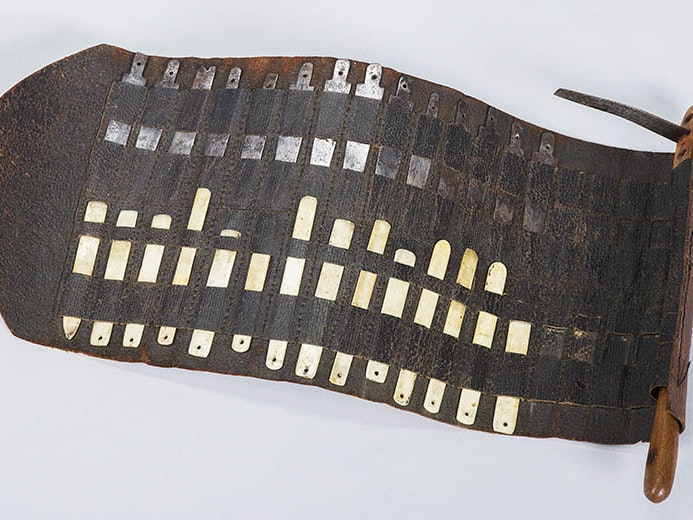
The tattooing process itself changed early in the contact period, and certainly by the 1840s metals started to replace bone in the manufacture of uhi, tattooing chisels, and combs.
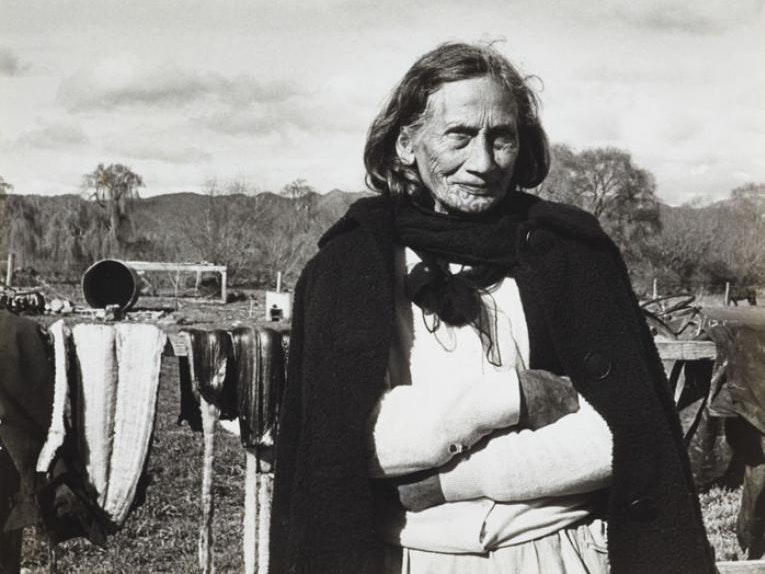
Friedlander was particularly renowned for her portraits of artists in the 1960s and 1970s, and for her images of the last Māori women to have received the chin moko in a customary manner.

Curators Matiu Baker and Sean Mallon discuss the history and practice of tatau and tā moko.

Charles Goldie is one of this country’s most controversial artists, both denounced and praised by various critics, and is considered the leading portrait painter of Māori, renowned for his technical brilliance. Goldie thought that Māori were about to die out or be assimilated by Pākehā, and that he was recording the last survivors. In fact, the Māori population increased during the early part of the twentieth century, and this “old-time” Māori was largely his own creation. Now, many Māori see Goldie's works as taonga (treasures) representing irreplaceable ancestral images of koroua and kuia (elders) which, for Māori, have special significance.
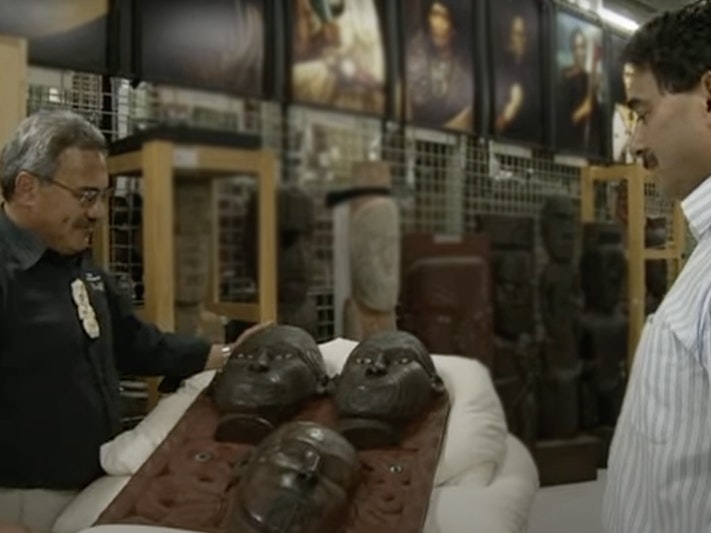
Te Papa is home to many precious carved taonga (treasures), including the three-dimensional faces of the Tā Moko panel carved by Ngāti Tarāwhai master carver Tene Waitere, a master carver from Lake Rotoiti. Then Curator Arapata Hakiwai talks with James Schuster, the great-great-grandson of Tene Waitere, about the panel.
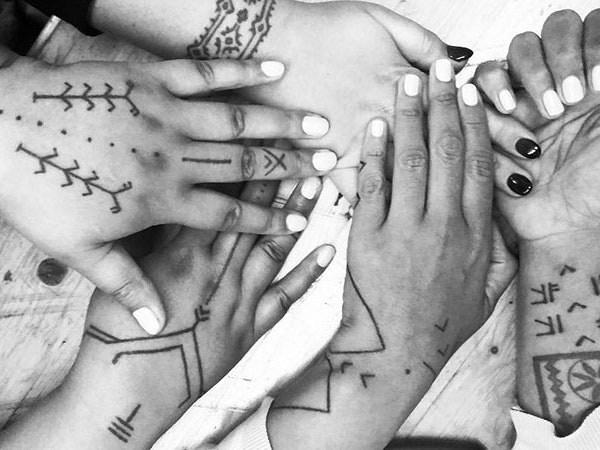
Who said tattooing is ‘men’s’ work anyway? Watch a panel discussion from Te Papa inspired by the stories of women mark makers who are revitalising female tattooing in Aotearoa, Fiji, Papua New Guinea, and Sāmoa.
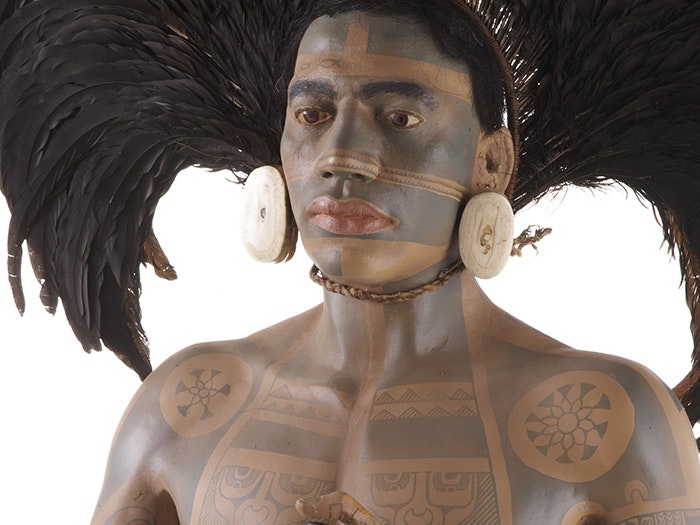
Since the 1980s there has been a revival in tattooing across east Polynesia, and interest in Pacific tattoo designs has spread across the world.

Find out how the programme came into existence, how negotiations for repatriation are carried out, and what happens when the Māori and Moriori ancestral remains arrive at Te Papa.
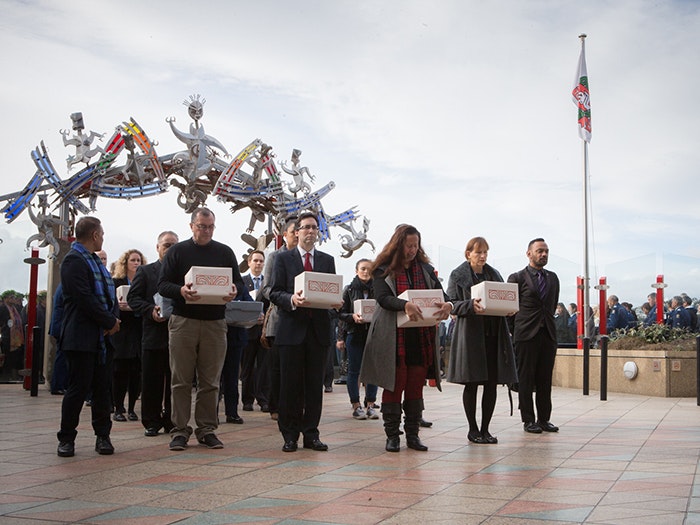
Mon 12 Oct 2020
Four Toi moko are being received by Te Papa in Germany this week, to be repatriated to Aotearoa New Zealand.
Press release He pānui pāpāho
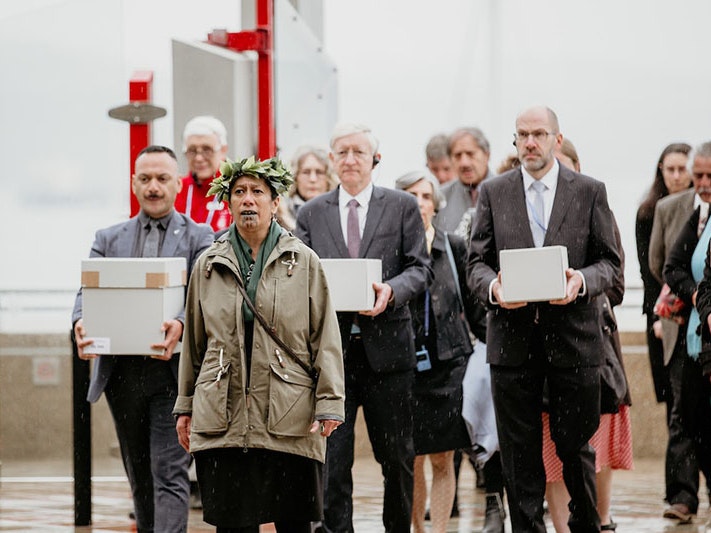
Tue 3 Nov 2020
Four toi moko (Māori ancestral heads) have been welcomed today in a solemn ceremony on Te Papa’s marae, after returning to New Zealand from Germany.
Press release He pānui pāpāho