




Slow Burn: Women and Photography
Slow Burn showcases the diversity of photography by women and non-binary artists in Aotearoa New Zealand from the 1960s to today.
On now
Feb 2026 to Jan 2027
Exhibition Ngā whakaaturanga
Free museum entry for New Zealanders and people living in New Zealand
Open every day 10am-6pm
(except Christmas Day)
Free museum entry for New Zealanders and people living in New Zealand
Join poet Helen Rickerby for a writing workshop in response to the exhibition Slow Burn: Women and Photography | Ahi Tāmau: Māreikura Whakaahua.
When | Āhea
Sat 17 Oct 2026, 10.00am–12.00pm
Where | Ki hea
Slow Burn | Ahi Tāmau, Hīnātore, and Espresso, Level 4
Cost | Te utu
$40 (includes High Tea), with museum entry
Accessibility
Workshop is wheelchair accessible
Seating available for Curator Talk
For any other accessibility requirements please contact LPTeam@tepapa.govt.nz
In association with VERB Wellington, join us for a day of photography and writing. Start the day in the Slow Burn | Ahi Tāmau exhibition as Curator Photography Lissa Mitchell delves into the stories behind the dynamic photographs.
Then, join poet Helen Rickerby to create your own written works of art inspired by the exhibition. Finally, finish with a Slow Burn-themed high tea to connect with other writers.
Limited to 15 participants. Booking essential.
Slow Burn showcases the diversity of photography by women and non-binary artists in Aotearoa New Zealand from the 1960s to today.
On now
Feb 2026 to Jan 2027
Exhibition Ngā whakaaturanga
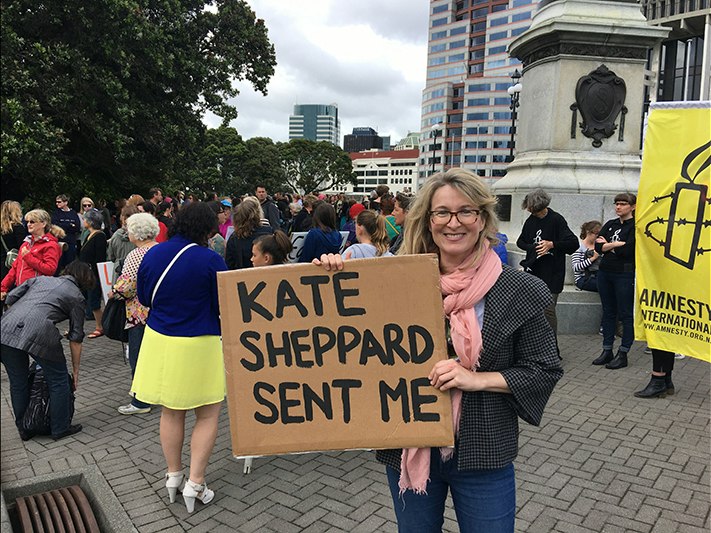
Initially gathered for scientific research, Te Papa’s photography collection originated in the late nineteenth century at the Colonial Museum. Over the twentieth century, the acquisition focus expanded to documentary and historical preservation, along with artistic photography when the former National Art Gallery began collecting in 1976. Today, Te Papa actively continues to acquire works across historical and contemporary documentary records and fine art photography.
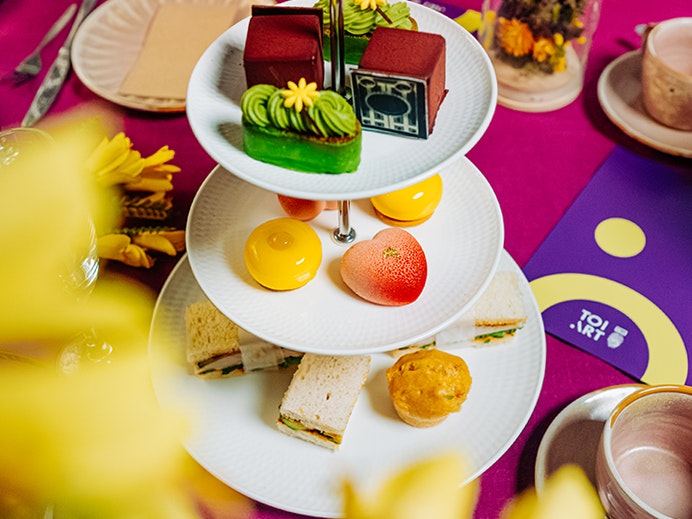
A high tea to delight your eyes and taste buds – with new menu inspired by Slow Burn: Women and Photography.
WOW offer: Get 50% off an Art Narratives Tour when booked with Eat Your Art Out. Use code WOW26
Daily sessions at 10:30am, 11:00am, 11:30am, 1:30pm, 2:00pm, and 2:30pm.
Event Ngā kaupapa motuhake